Our vegetables are harvested, packaged and packaged in the fields.
It is a historical and natural method handed down from generation to generation that has always distinguished our productions and that allows us to “guarantee” the short supply chain and to contain as much as possible the stress due to handling.
In winter
The uniqueness of the pedoclimatic conditions, the superficial red soils and the rare winter frosts favor the production of vegetables available in the coldest months of the year for all European countries and northern Italy where these crops are not possible due to the too harsh climate.
Among our most important typical products we have turnip greens to which are added fennel, Catalan chicory, chicory topped. In addition to these typical products we also grow colored chard, chard, kale (kale), black cabbage, cauliflower, celery, parsley.
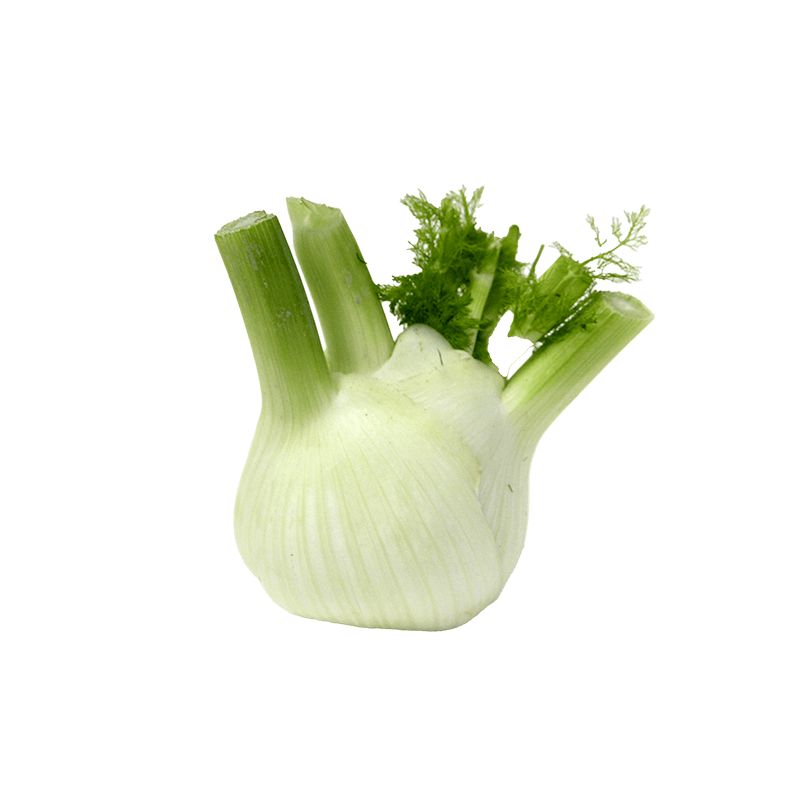
Fennel
Belonging to the botanical class of Umbelliferae, fennel looks like a crunchy vegetable, characterized by a rather large white lump, surmounted by bright green leaves. It is a plant with recognized antioxidant, purifying, digestive and endocrine properties.
It is collected
from November to May.
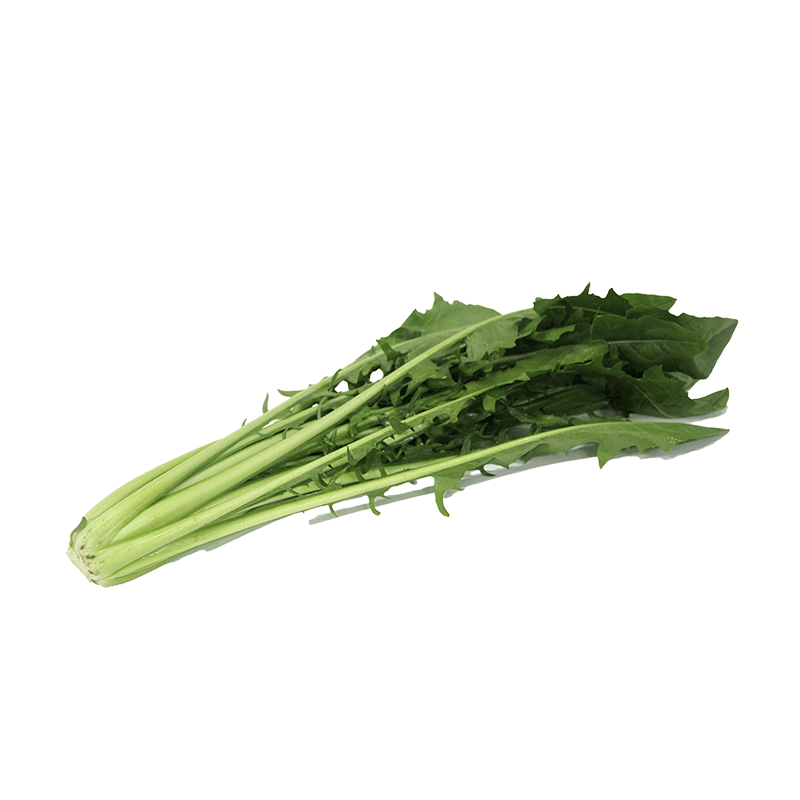
Chicory Catalonia
Catalonia is a variety of chicory that belongs to the Asteraceae family and has smooth leaves and is typical of our area so much so that it is also called "brindisina" or "pugliese". It is a vegetable rich in water and inside there are vitamins and mineral salts such as calcium and potassium.
It is harvested from September to April.
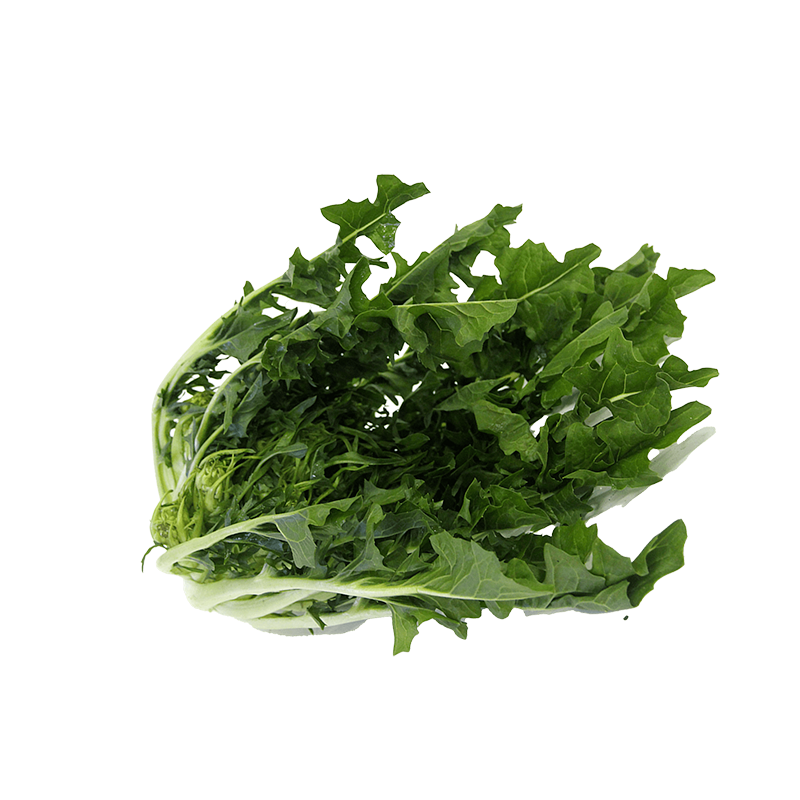
Chicory "Cimata"
Chicory or chicory Catalonia "Cimata"a (Chichorium intybus) is a variety of salad of the Composite family, it is a tuft chicory that is eaten cooked, boiled or steamed and raw in delicious mixed salad. Rich in water, vitamins and mineral salts. Resistant to rather low temperatures.
is harvested from September to May
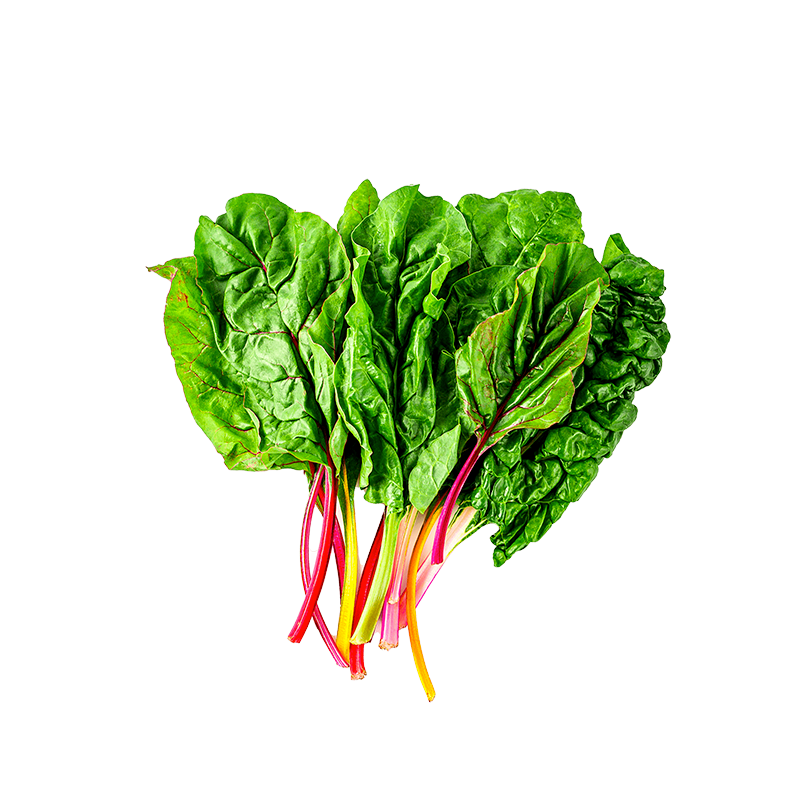
Colored chard
It is one of the varieties of chard, belongs to the family of chenopodiaceae, produces leaves of different colors. It is a good source of vitamins, minerals and fiber. It is eaten cooked.
It is collected
from October to May
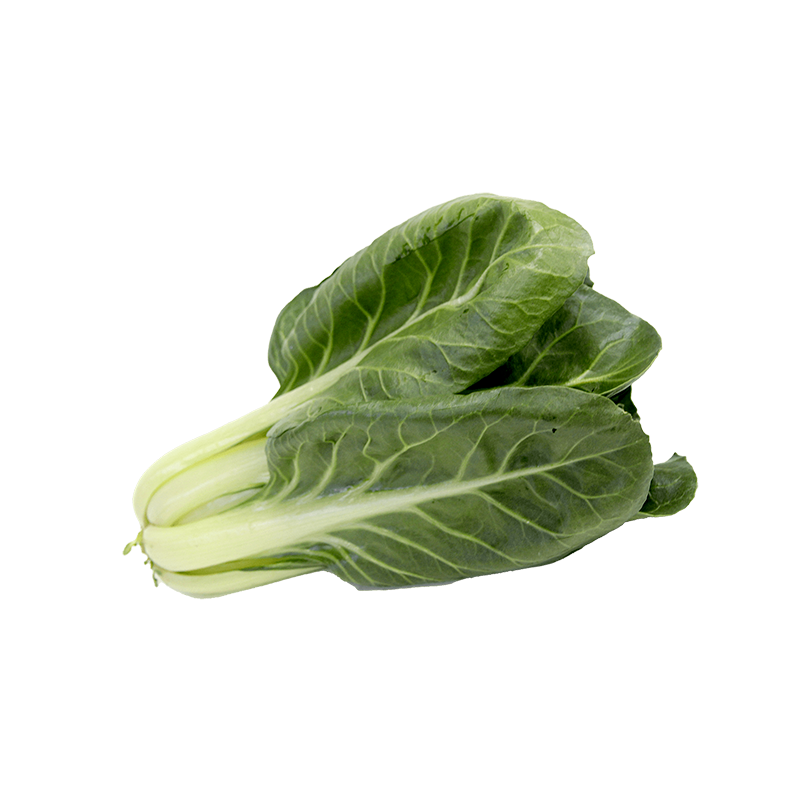
Chard Coast
It is one of the varieties of chard, belongs to the family of chenopodiaceae, produces white leaves and ribs. It is a good source of vitamins, minerals and fiber. It is eaten cooked.
It is collected
from October to May
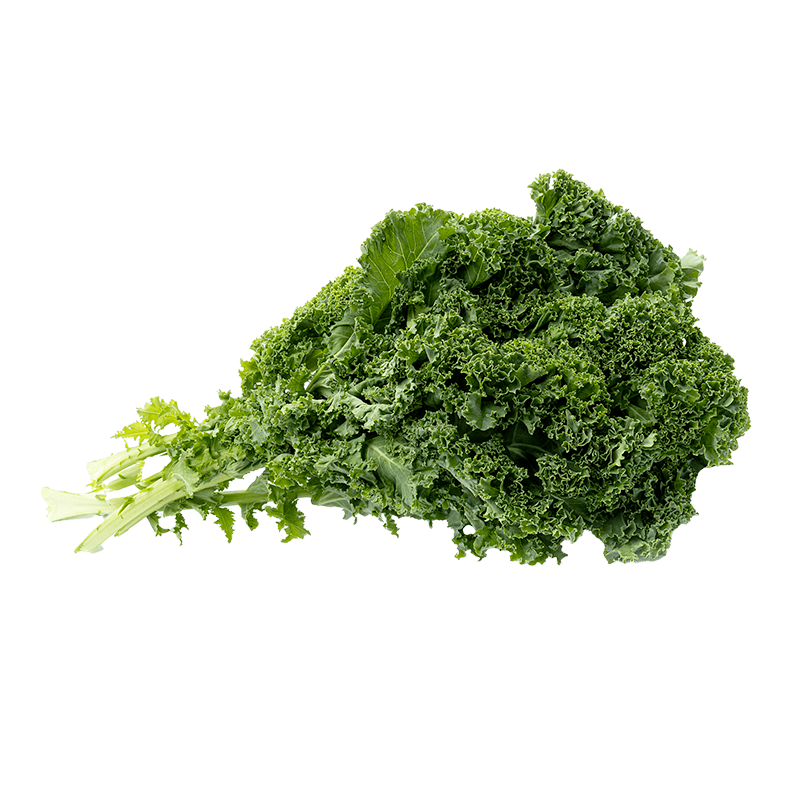
Kale
Kale is a variety of cabbage, has curly dark leaves and is overall quite similar to our own black cabbage. It is rich in nutritional properties, a source of many antioxidants.
It is collected
from January to May
Black cabbage
Black cabbage is a variety of cabbage, has curly dark leaves and is rich in nutritional properties. It is, in fact, a source of many antioxidants.
It is harvested from January to May
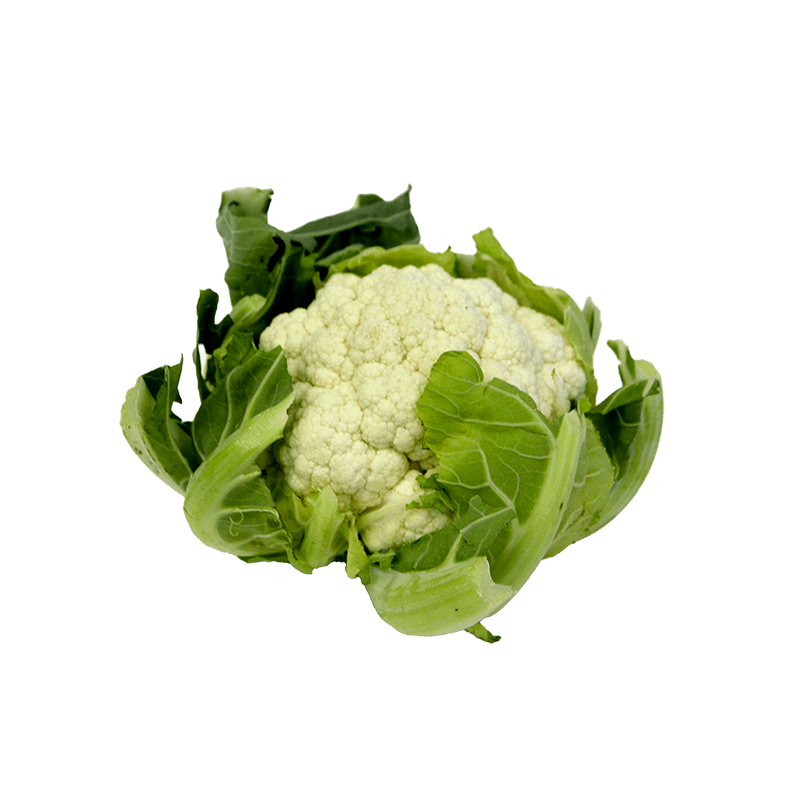
Cauliflower
Cauliflower (Caulis floris) belongs to the Cruciferous family , a vegetable rich in vitamins, minerals and fiber, a real panacea for health. It is found in white, green and colored varieties.
It is harvested throughout the year
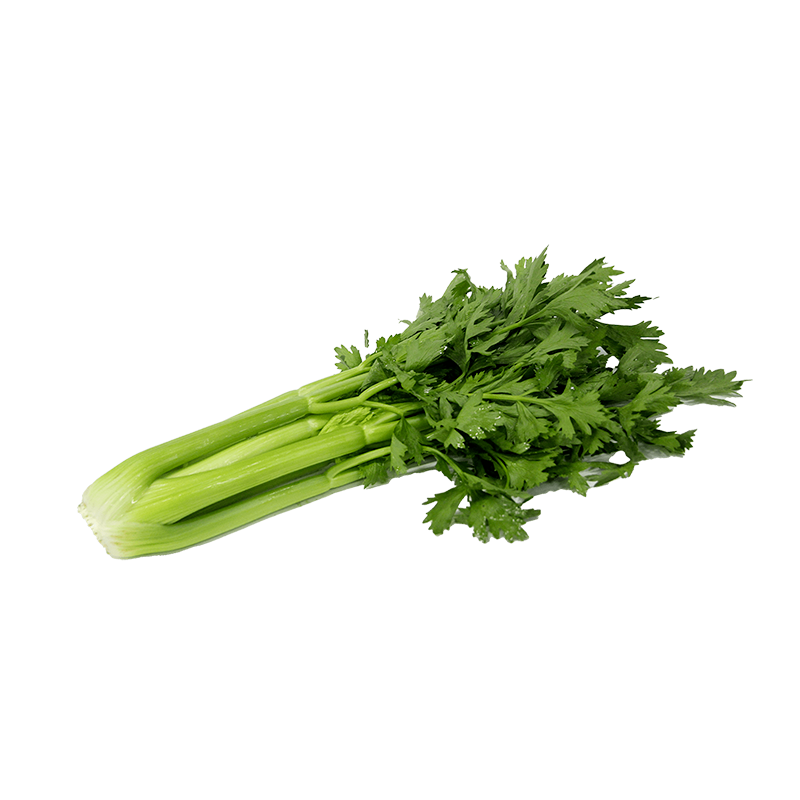
Celery
We have large productions of organic celery that we distribute throughout Europe.
It is harvested throughout the year
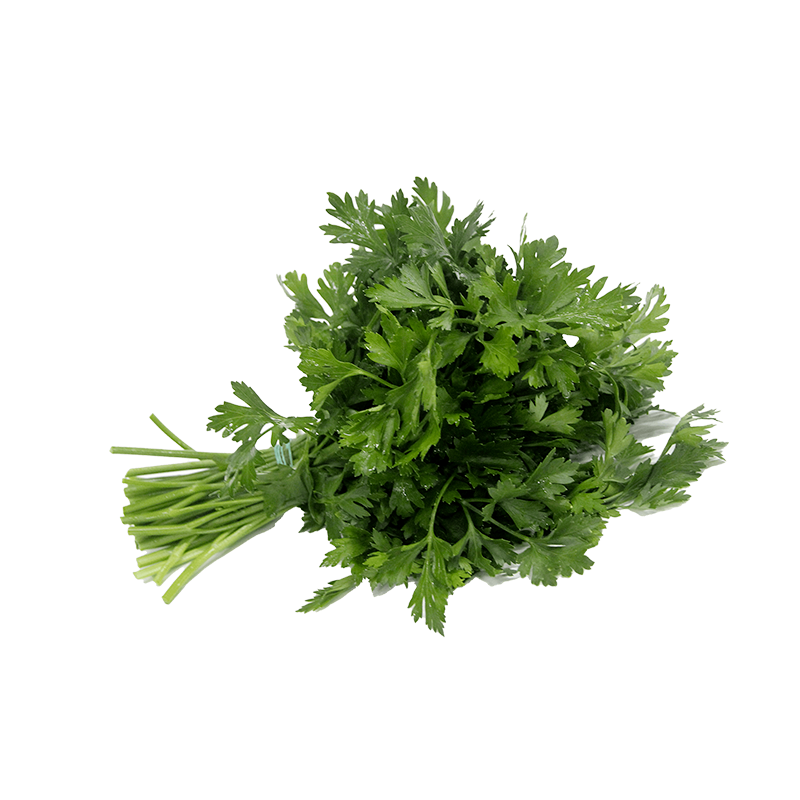
Parsley
We have large productions of organic parsley that we distribute throughout Europe.
It is harvested throughout the year
In Spring/Summer
The constant ventilation and shading of the olive trees guarantee the ideal condition for the production of a wide variety of vegetables and fruits.
Our typical flagship products are new broad beans, peas and green beans in spring, to which potatoes are added.
And then, in summer there is a riot of typicality with the harvest of tomatoes (including the famous tomato of the queen – also a slow food presidium), watermelons barattieri, cornaletti peppers, figs fioroni and figs to which is added the collection of zucchini, aubergines and locust beans.
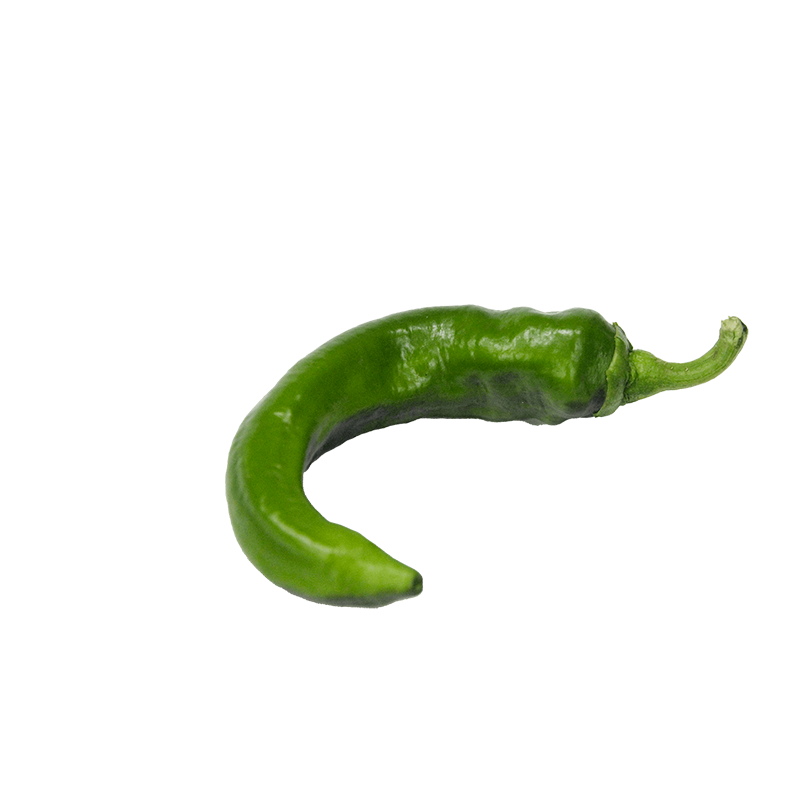
Cornaletti peppers
They are a type of small and elongated peppers that are usually called cornaletti.
Typically summer, a bit like all Solanaceae, they are a source of vitamins and mineral salts, and contain fiber and lots of water. Here they are an accompaniment to the classic mashed beans, or they are also excellent cooked in a tomato sauce with which to season pasta, but the tastiest way to cook them is fried.
They are harvested in the summer months.
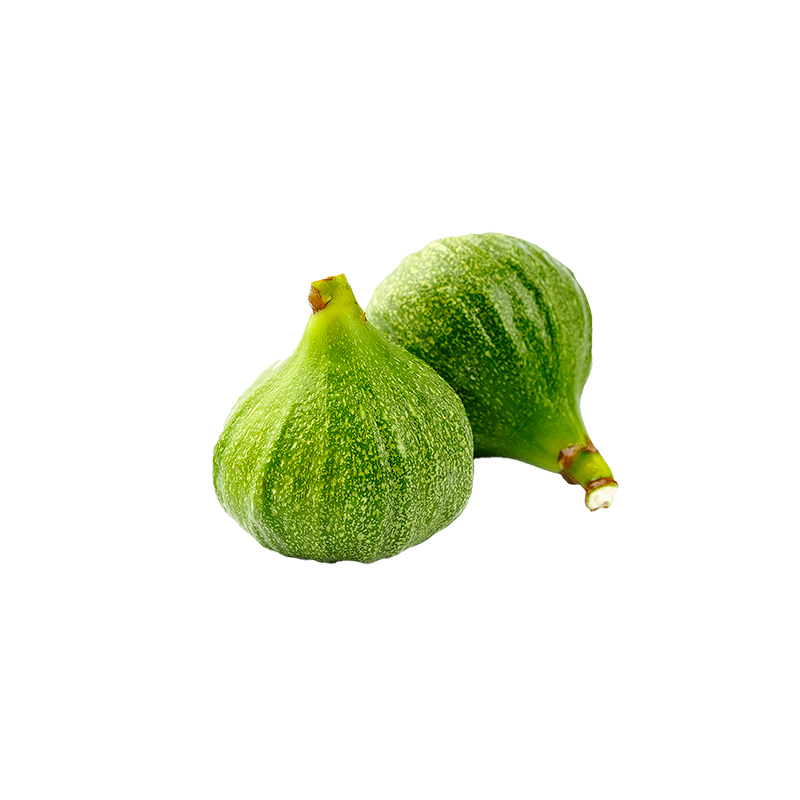
Figs
The figs, fruits of the Ficus carica L, in reality the figs are inflorescences called siconium. They have a strong sweetish taste, with a very fleshy pulp inside. We grow numerous varieties of fig.
They are harvested from August to September.
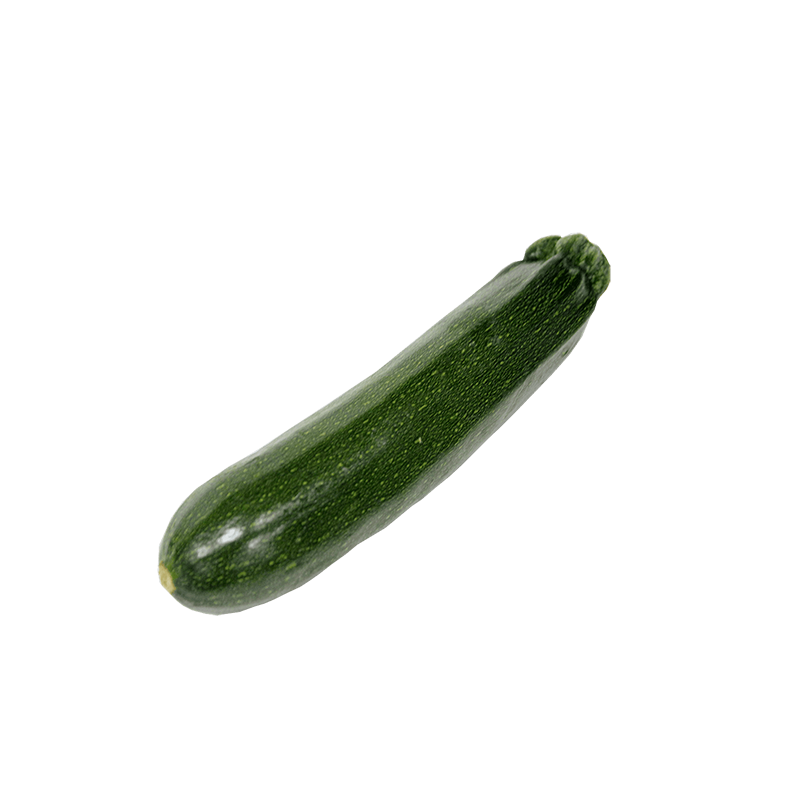
Zucchini
Among the typical summer vegetables, we grow and distribute them in Italy and abroad in large quantities. Of the family of cocurbitaceae and solanaceae, sobno vegetables of great nutritional value.
They are harvested from May to September
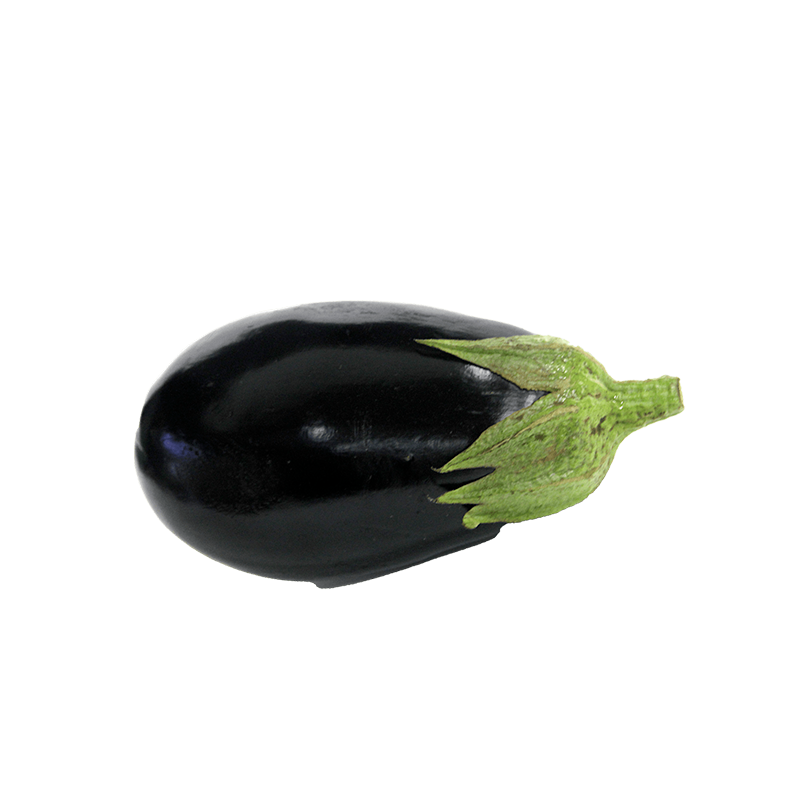
Eggplant
Among the typical summer vegetables, we grow and distribute them in Italy and abroad in large quantities. Of the family of cocurbitaceae and solanaceae, sobno vegetables of great nutritional value.
They are harvested from May to September
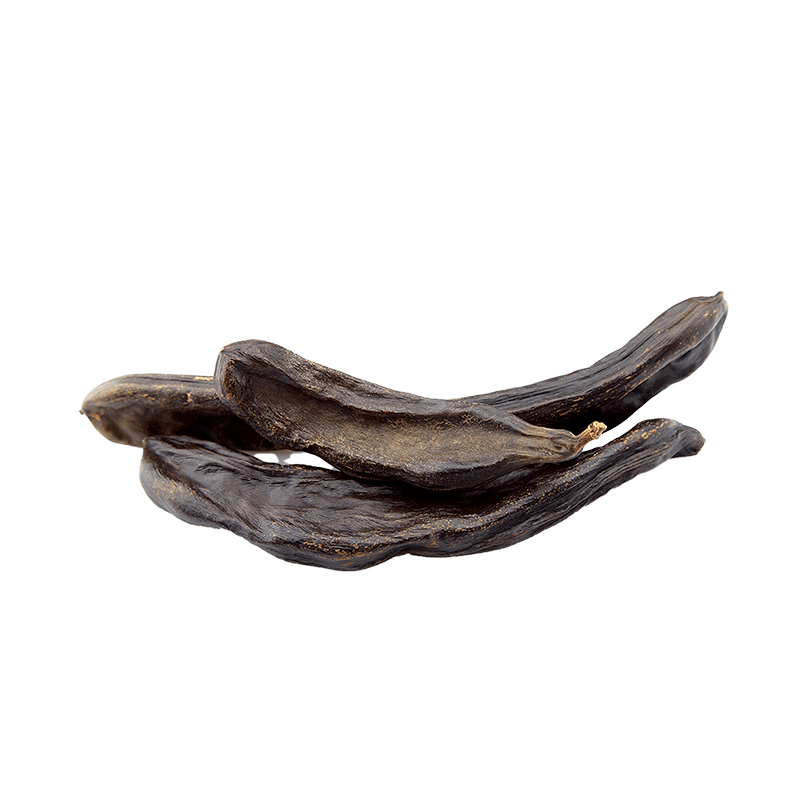
Carob beans
Carobs are the fruits of the carob tree (Ceratonia siliqua), a tree belonging to the Caesalpiniaceae family , very common in our territory. They are "ancient" fruits rediscovered in recent times for their astringent and satiating properties.